
Curtain Wall Silicone Sealant Replacement in Dubai: Resealing Guide
Plan curtain wall silicone sealant and gasket replacement in Dubai with guidance on surveys, compatible materials, access, weatherproofing tests, costs, and quotations.
Quick answer
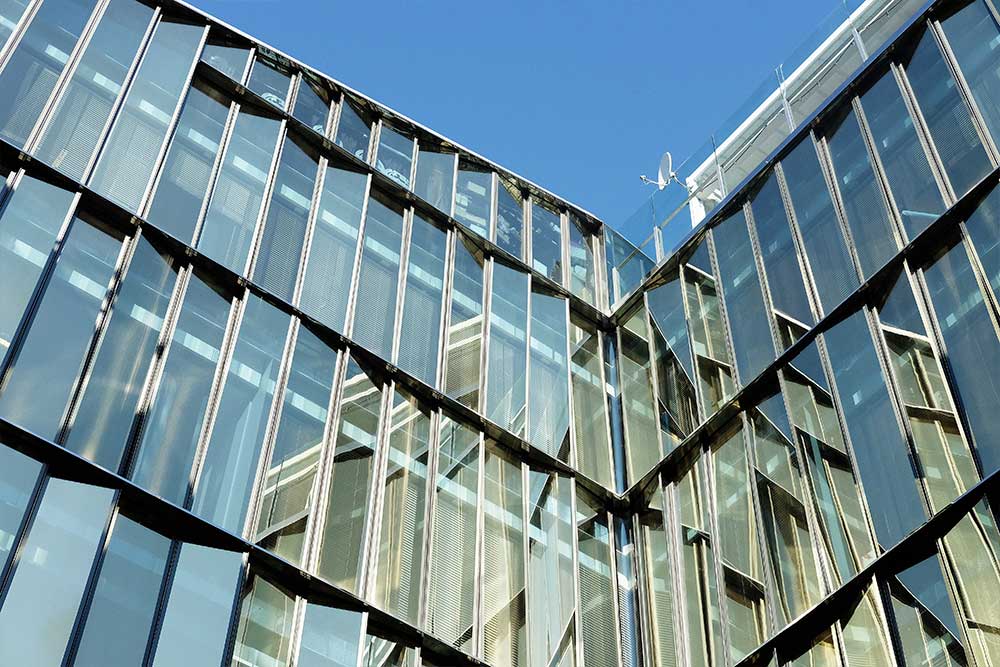
Curtain wall resealing in Dubai should begin with a facade survey that identifies the actual water and air paths. Cracked external silicone may be visible, but failed gaskets, blocked drainage, open frame joints, loose pressure caps, perimeter interfaces, glass movement, or defects at roofs and parapets can produce similar symptoms. Replacing sealant without diagnosing these interfaces can leave leaks unresolved.
Glass World provides curtain wall glazing, facade glass replacement, and rope-access glass services across Dubai. For an initial assessment, share elevations, leak locations, building height, facade drawings if available, previous repair records, access constraints, and photographs taken during or shortly after rainfall.
Signs that curtain wall seals need investigation
Typical warning signs include brittle, split, chalking, detached, or missing silicone; shrunken gaskets; staining below mullion joints; damp ceiling tiles; water at window heads or sills; whistling in windy conditions; condensation around framing; and repeated local patch repairs. Interior damage does not always sit directly behind the external defect because water can travel through frame cavities before appearing indoors.
Record when each leak occurs: wind direction, rainfall intensity, duration, affected floor, exact room position, and whether water starts immediately or later. This evidence helps distinguish rain penetration from condensation, plumbing, roof drainage, or another source. The curtain wall leak repair guide explains the wider diagnostic process.
Survey silicone, gaskets, joints, and drainage together
A useful survey maps sealant joints by elevation and checks adhesion, cohesion, joint width and depth, backing material, contamination, movement, perimeter junctions, corner details, pressure plates, caps, glazing gaskets, setting blocks, weep paths, and mullion-to-transom seals. Representative opening-up or adhesion tests may be needed before a full scope is priced.
The survey should separate structural silicone, weather seals, perimeter sealant, internal air seals, and cosmetic joints because they perform different jobs and cannot be treated as interchangeable. Structural glazing or glass-retention concerns require project-specific engineering and specialist assessment; they should never be assumed safe from a visual inspection alone.
Choose compatible facade sealants and gaskets
Replacement material must suit the curtain wall system, joint movement, glass coating, aluminium finish, adjacent membranes, backing rod, exposure, and existing substrates. Colour match matters visually, but adhesion, movement capability, weather resistance, and compatibility are more important. Some sealants, cleaners, primers, and gaskets can stain stone, attack coatings, or interact poorly with older materials.
Request product data, compatibility confirmation, preparation requirements, primer recommendations, joint design, curing conditions, and an agreed sample area. Where the original system information is unavailable, laboratory or field testing may be appropriate. New silicone should not simply be applied over dirty or failed sealant; the joint needs controlled removal and preparation in accordance with the selected system.
Plan removal and installation correctly
A proper resealing sequence typically includes access setup, protection, removal of failed material, cleaning without damaging glass or finishes, inspection of concealed conditions, installation of correctly sized backing material where required, primer, sealant application, tooling, curing, and quality checks. Joint geometry must allow the sealant to move; filling a deep joint solidly or bonding it on three sides can reduce performance.
Work should proceed in manageable elevation zones with daily records of weather, temperature, humidity, locations completed, material batch numbers, tests, photographs, and defects found. Occupied buildings also need protection for entrances, balconies, vehicles, landscaping, air intakes, and public areas below the work face.
Select safe facade access
Access may use a building maintenance unit, cradle, mobile elevated work platform, scaffolding, rope access, or a combination. Selection depends on building height and geometry, anchors, setbacks, podiums, roads, landscaping, overhead hazards, public interfaces, working hours, and the quantity and location of joints. Access often represents a substantial part of the programme and cost.
Confirm permits, rescue planning, exclusion zones, dropped-object controls, technician competency, anchor certification, equipment inspection, and coordination with building management. Rope access can be efficient for dispersed repair zones, while continuous scaffold or cradle access may suit large systematic replacement areas. The method should support consistent preparation and inspection, not merely reach the joint.
Test the repaired facade
Agree how workmanship and leak repairs will be verified. Depending on the project, checks may include visual inspection, joint measurements, adhesion tests, photographic records, controlled hose or chamber testing, and observation during subsequent weather. Testing should follow an agreed method and begin with representative trial areas before the full facade programme advances too far.
If water remains after resealing, investigate drainage paths, internal seals, frame joints, glass or panel interfaces, roofs, parapets, penetrations, and adjacent construction rather than repeatedly adding surface patches. Planned facade inspection and maintenance helps find ageing seals before interior damage becomes widespread.
What affects curtain wall resealing cost in Dubai?
Cost depends on facade area and joint length, building height and geometry, access method, sealant type, joint condition, removal difficulty, primers and backing materials, gasket replacement, substrate repairs, test requirements, permits, traffic management, occupied-building restrictions, night work, protection, mobilisation, and the number of separate elevations or visits.
Compare quotations using measured joint lengths and a clear defect schedule. Each proposal should state survey assumptions, access, removal depth, preparation, material manufacturer and product, primer and backing rod, sample and testing requirements, gasket scope, protection, waste removal, exclusions, programme, warranty, VAT, and how unforeseen frame or glass defects will be reported and valued.
Request a curtain wall resealing quotation
Send the Dubai location, building use and height, affected elevations and floors, leak records, facade drawings, glass and frame details, previous sealant specifications or warranties, access equipment available, anchor and BMU records, photographs, working-hour restrictions, permit requirements, and preferred programme. Mark leak positions on plans or elevations where possible.
Glass World can survey the facade and help define whether the required scope is local weather-seal repair, phased gasket and silicone replacement, drainage correction, perimeter resealing, access-led maintenance, or related facade glass replacement. A representative trial and agreed test plan provide a stronger basis for full-building work than repeated emergency patching.
Frameless Glass Door Handle Replacement in Dubai: A Practical Guide
Replace a frameless glass door handle in Dubai with a clear plan for handle type, hole spacing, patch fittings, alignment, safe measurement and installation.
Read article
Fluted Glass Partitions in Dubai: Privacy and Cost Guide
Planning fluted glass partitions in Dubai? Compare privacy, rib patterns, safety glass, frames and installation costs before ordering a custom screen.
Read article
Glass Wine Rooms in Dubai: Insulated Glazing and Cost Guide
Planning a glass wine room in Dubai? Understand insulated glazing, sealed doors, condensation, cooling coordination and quote costs before installation.
Read article